20 Fragen an Ihren Lieferanten von Schneckengetrieben
Die meisten Beschaffungsfehler in Schneckengetriebe Die Beschaffungsprobleme entstehen nicht durch die Wahl des falschen Modells, sondern weil die tatsächliche Leistungsfähigkeit des Lieferanten nicht überprüft wurde. Diese 20 Fragen liefern Ihnen die Informationen, um die technische Kompetenz, die Produktionsqualität und die Servicezuverlässigkeit eines Lieferanten zu beurteilen, bevor Sie eine Bestellung aufgeben.
Warum Ihre Fragen mehr verraten als der Katalog
Zwei Schneckengetriebe Lieferanten können in ihren Katalogen dieselbe Baugröße, dasselbe Übersetzungsverhältnis und dieselben Wirkungsgrade angeben. Der Katalog verrät jedoch nichts über die Bronzelegierung des Schneckenrads, die Oberflächenhärte der Schneckenwelle, die Konsistenz ihrer Qualitätskontrolle oder wie sie auf fehlerhafte Chargen reagieren. Genau diese Faktoren entscheiden darüber, ob die gelieferten Einheiten tatsächlich den bestellten Spezifikationen entsprechen – und wie die Situation im Fehlerfall aussieht.
Ein Lieferant, der alle 20 Fragen präzise und souverän beantworten kann, verfügt über einen Fertigungsprozess, den er gut genug versteht, um ihn zu erklären. Ein Lieferant, der technische Fragen mit Aussagen wie „Unsere Qualität ist zertifiziert“ oder „Wir stellen diese Produkte seit 20 Jahren her“ abwehrt, signalisiert hingegen, dass ihm die nötige Prozesstransparenz fehlt, um Ihnen die Antworten zu geben – genau diese Transparenz benötigen Sie jedoch, bevor Sie eine größere Bestellung aufgeben.
Die Fragen sind in fünf Kategorien unterteilt, die die Phasen einer Lieferbeziehung widerspiegeln: von der technischen Spezifikation über Fertigung und Qualitätskontrolle bis hin zu Zertifizierung, Lieferung und Kundendienst. Nutzen Sie sie im Rahmen eines Lieferantenqualifizierungsgesprächs und nicht als starren Fragebogen – das Gespräch selbst wird ebenso aufschlussreich sein wie die Antworten.

Die 20 Fragen – Fünf Kategorien
Kategorie 1: Spezifikationen und Anpassung
Frage 1: Können Sie mir die vollständige Wirkungsgradkurve für mein gewünschtes Verhältnis und meine Lastbedingung liefern – nicht nur den Katalog-Spitzenwert?
Warum: Katalogeffizienz für einen Schneckengetriebe Die angegebene Leistung entspricht der Volllastleistung bei Betriebstemperatur. Der Wirkungsgrad im Teillast- und Kaltstartbereich kann um 5–10 Prozentpunkte niedriger sein. Auch die thermischen Leistungsgrenzen hängen vom Wirkungsgrad ab. Wenn der Lieferant lediglich den Spitzenwert angibt, ohne Ihren Anwendungsfall zu verstehen, sind ihm diese Feinheiten möglicherweise nicht bewusst.
Gute Antwort: „Ja, wir können Effizienzdaten bei einer Last von 50%, 75% und 100% für dieses Verhältnis bereitstellen.“ Rote Flagge: „Es steht auf der Katalogseite – siehe Fußnote 3.“
Frage 2: Welche Sonderkonfigurationen der Abtriebswelle können Sie ohne Mindestbestellmenge liefern?
Warum: OEM-Maschinen verwenden selten exakt die im Katalog angegebenen Wellendurchmesser. Die Fähigkeit, gängige Modifikationen (alternativer Wellendurchmesser, verlängerte Welle, Edelstahlwelle, Hohlbohrung mit anderem Bohrungsdurchmesser) ab Lager oder mit geringen Mindestbestellmengen anzubieten, unterscheidet einen produzierenden Anbieter von einem einfachen Kataloghändler.
Gute Antwort: Eine genaue Liste der verfügbaren Modifikationen und eine klare Mindestbestellmenge für Sonderanfertigungen. Rote Flagge: „Wir liefern nur das, was im Katalog steht.“
Q3. Wie ändert sich Ihre Lieferzeit, wenn ich eine nicht standardmäßige IP-Schutzart oder ein Dichtungsmaterial wie z. B. Viton-Dichtungen für den Einsatz in Chemikalien benötige?
Warum: Varianten mit IP67- oder Viton-Dichtung erfordern spezielle Montageschritte und eine andere Dichtungsbeschaffung. Einige Lieferanten bieten diese als Standardoptionen an (2–5 zusätzliche Tage), andere als Sonderanfertigungen mit 4–6 zusätzlichen Wochen. Wenn Sie dies bei der Planung Ihres Liefertermins berücksichtigen, vermeiden Sie Überraschungen.
Gute Antwort: Spezifische Delta-Lieferzeit bei Mindestmenge. Rote Flagge: "Unser Schneckengetriebe „Verfügt bereits über eine gute Abdichtung.“
Frage 4: Können Sie Testdaten speziell für meine Rahmengröße und mein Seitenverhältnis bereitstellen, anstatt allgemeine Katalogbereiche?
Warum: Die Katalogwerte sind statistische Mittelwerte. Für die OEM-Qualifizierung sind spezifische Testdaten erforderlich – gemessener Wirkungsgrad, thermische Leistung bei Betriebstemperatur, tatsächliches Ausgangsdrehmoment bei Nenneingangsleistung –, die im Qualifizierungsbericht aufgeführt werden müssen. Diese Frage unterscheidet Hersteller, die Funktionstests durchführen, von solchen, die lediglich das fertige Produkt prüfen.
Gute Antwort: „Ja, auf Anfrage stellen wir Ihnen gerne OEM-Qualifizierungsmuster zur Verfügung.“ Rote Flagge: „Die Katalogdaten umfassen alle Spezifikationen.“
Kategorie 2: Fertigungsprozess und Qualitätskontrolle
F5. Welche Spezifikation hat Ihre Schneckenrad-Bronzelegierung, und können Sie ein Materialzertifikat vorlegen?
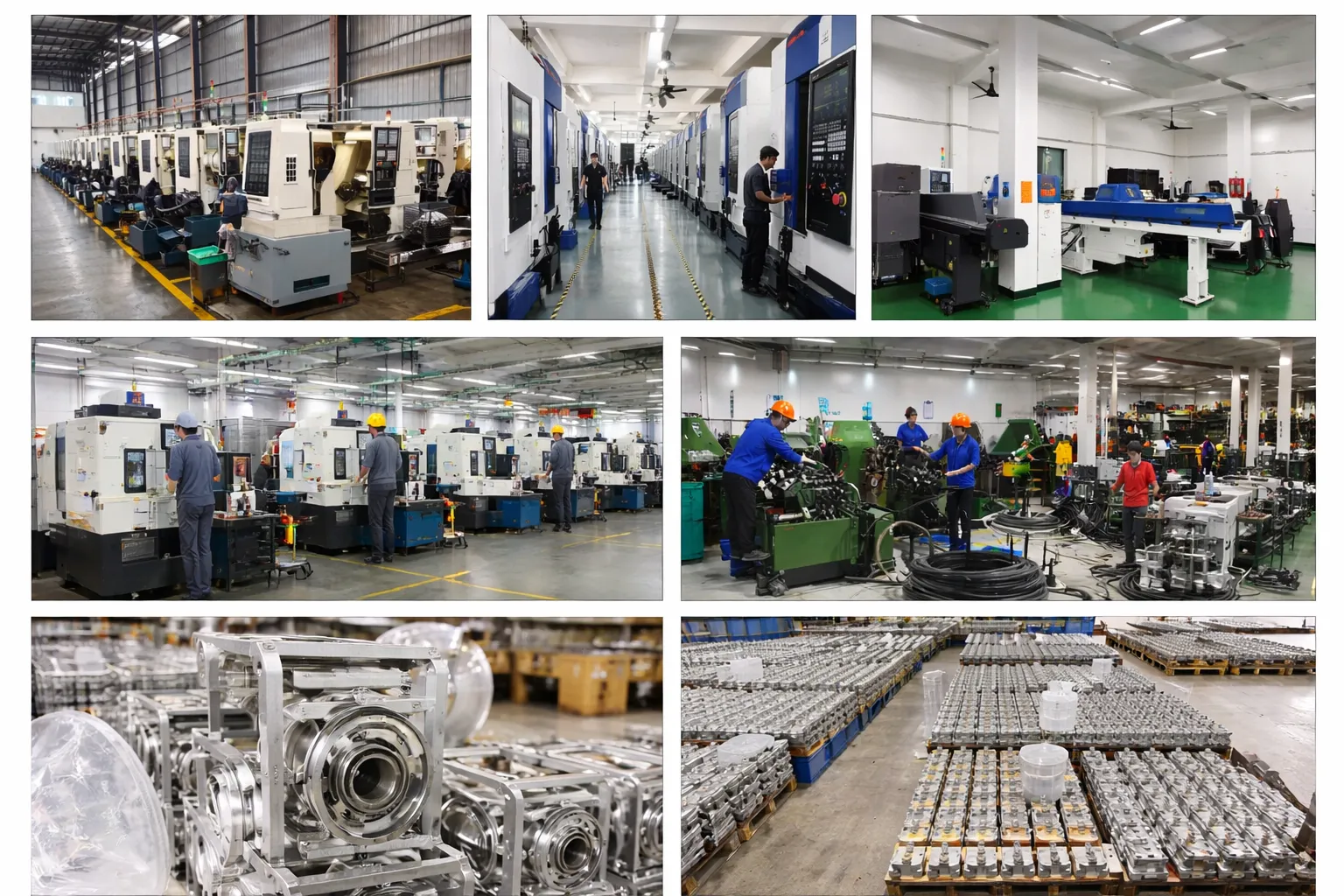
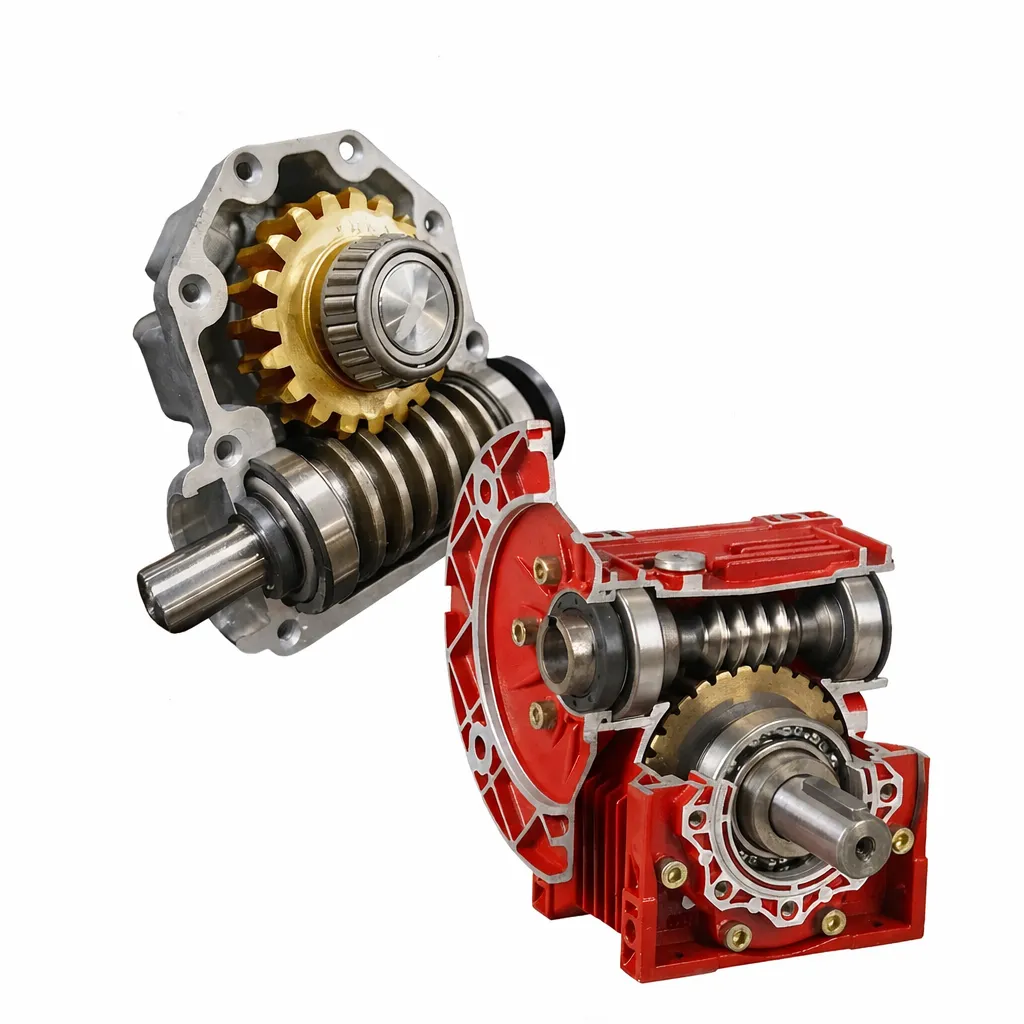
Warum: Die Bronzelegierung in der Schneckengetriebe Das Schneckenrad ist das primäre Verschleißteil in jedem SchneckengetriebeZinnbronze-Sorten mit einem Zinngehalt von 10–121 TP3T (z. B. C93200 oder C90700) bieten eine deutlich höhere Verschleißfestigkeit als Kupferlegierungen niedrigerer Güte. Ein Lieferant, der die Legierungssorte nicht nennen kann, bezieht seine Räder wahrscheinlich von wechselnden Zulieferern ohne Wareneingangskontrolle.
Gute Antwort: Spezifische Legierungsbezeichnung, Zertifikat pro Charge erhältlich. Rote Flagge: „Es ist hochwertige Bronze“ ohne Qualitätsangabe.
Q6. Welche Oberflächenhärte erreicht Ihre Schneckenwelle nach der Wärmebehandlung, und wurde diese Härte nach 100% verifiziert oder stichprobenartig ermittelt?
Warum: Die Schneckenwelle sollte auf mindestens 55 HRC einsatzgehärtet sein, um einen Härtevorteil gegenüber dem Bronzerad zu gewährleisten. Eine Schneckenwelle mit 45 HRC verschleißt am Rad, anstatt dass nur das Rad verschleißt – wodurch sich die Ausfallwahrscheinlichkeit verdoppelt. Die Frage, ob die Härteprüfung nach 100% verifiziert oder stichprobenartig durchgeführt wurde, gibt Aufschluss darüber, ob einzelne Bauteilausfälle erkannt werden.
Gute Antwort: „Mindesthärte 58 HRC nach Induktionshärtung; Probenahme bei X% pro Produktionscharge.“ Rote Flagge: „Die Welle ist aus legiertem Stahl, sehr hart.“
Q7. Welche prozessbegleitenden Qualitätskontrollpunkte setzen Sie bei einer Standardproduktionsserie dieses Schneckengetriebemodells ein?
Warum: Die ISO 9001-Zertifizierung bestätigt das Vorhandensein eines Qualitätsmanagementsystems – sie legt jedoch weder die Prüfpunkte noch die Toleranzgrenzen fest. Ein Lieferant, der seine spezifischen Prüfpunkte beschreiben kann (z. B. Prüfung des Schneckenprofils, Rundlaufgenauigkeit der Gehäusebohrung, Messung des Zahnflankenspiels, Überprüfung des Ölfüllstands, Geräuschmessung im Betrieb), verfügt über einen dokumentierten Prozess. Ein Lieferant, der lediglich angibt, nach ISO 9001 zertifiziert zu sein, ohne konkrete Angaben zu machen, hat zwar Dokumente, aber möglicherweise keine Prozesskontrolle.
Gute Antwort: Benannte Kontrollpunkte mit Messkriterien. Rote Flagge: „Wir sind nach ISO 9001 zertifiziert und unsere Kunden vertrauen uns.“
Frage 8: Führen Sie einen Funktionstest an allen 100%-Einheiten durch oder nur an Stichproben? Welche Parameter erfassen Sie?
Warum: Für Standard-Kompakt SchneckengetriebeEin Probelauf des 100% ist durchführbar und deckt Montagefehler auf (falsches Übersetzungsverhältnis, fehlende Lagervorspannung, Geräusche durch einen Grat im Eingriff), die bei einer reinen Maßprüfung unentdeckt blieben. Stichprobenartige Probeläufe erfassen diese Probleme einzelner Einheiten nicht.
Gute Antwort: „100%-Testlauf unter Nennlast; dabei werden der Geräuschpegel und der Temperaturanstieg aufgezeichnet.“ Rote Flagge: „Wir testen gemäß ISO-Norm eine Stichprobe aus jeder Charge.“
Kategorie 3: Zertifizierungen und Konformität
Q9. Können Sie Ihr aktuelles ISO 9001:2015-Zertifikat mit Angabe des Zertifizierungsumfangs vorlegen?
Warum: Der Geltungsbereich des Zertifikats ist genauso wichtig wie das Zertifikat selbst. „Konstruktion und Fertigung von Schneckengetrieben“ ist spezifisch. „Mechanische Bauteile“ oder „Bearbeitung von Metallteilen“ decken zwar das Werk im Allgemeinen ab, aber nicht unbedingt die Produktionslinie, von der Sie bestellen. Zertifikate haben zudem ein Ablaufdatum – manche Lieferanten verwenden weiterhin abgelaufene Zertifikate.
Gute Antwort: Aktuelles Zertifikat mit spezifischem Geltungsbereich, das die Herstellung von Schneckengetrieben abdeckt. Rote Flagge: Abgelaufenes Zertifikat oder unklare Angabe des Produkttyps.
Q10. Können Sie mir für mein Qualitätsaudit beim Endkunden eine Dokumentation zur Rückverfolgbarkeit des Materials zur Verfügung stellen, die das Schneckenrad und die Welle mit ihren Chargenprotokollen verknüpft?
Warum: Anlagen für die Lebensmittelindustrie, pharmazeutische Maschinen und Exportanlagen für europäische oder nordamerikanische Märkte erfordern in der Regel, dass der Hersteller jede Komponente bis zur Materialcharge und allen relevanten Prozesszertifikaten zurückverfolgen kann. Diese Frage entscheidet darüber, ob der Lieferant eine dokumentierte Rückverfolgbarkeit bietet oder lediglich auf Nummer sicher geht.
Gute Antwort: „Ja, Materialzertifikate und Chargenprotokolle sind für OEM-Qualifizierungsaufträge verfügbar.“ Rote Flagge: „Wir kaufen von zuverlässigen Lieferanten“ ohne entsprechende Dokumentation.
Frage 11. Welche Dokumentation können Sie zur Unterstützung einer technischen Dokumentation gemäß der CE-Maschinenrichtlinie oder einer Überprüfung der Konformität unserer Geräte mit koreanischen Sicherheitsstandards bereitstellen?
Warum: Die CE-Kennzeichnung der fertigen Maschine obliegt dem Maschinenbauer. Die technischen Unterlagen erfordern jedoch Bauteilspezifikationen – Nenndrehmoment, Sicherheitsfaktor, Materialspezifikationen und Bestätigung der IP-Schutzart. Zulieferer mit Erfahrung im Export von OEM-Produkten wissen genau, welche Informationen sie bereitstellen müssen; Anbieter, die ausschließlich im Inland verkaufen, verfügen möglicherweise nicht über diese Dokumentation.
Gute Antwort: Eine detaillierte Liste der verfügbaren Dokumentation ist verfügbar. Rote Flagge: „Die CE-Kennzeichnung gilt nicht für Bauteile, sondern nur für Maschinen.“
Kategorie 4: Lieferung und Logistik
Q12. Wie viele Einheiten meines spezifischen Modells und Übersetzungsverhältnisses haben Sie derzeit auf Lager, und wann erfolgt die nächste Produktionsrunde?
Warum: „Lagerbestand verfügbar“ bei einem Katalogvertrieb bedeutet, dass dieser beim Hersteller bestellen kann. „Lagerbestand verfügbar“ beim Hersteller bedeutet, dass dieser über physische Lagerbestände verfügt. Der Unterschied beträgt 2–3 Tage gegenüber 3–4 Wochen. Die Frage nach der aktuell verfügbaren Menge erzwingt eine konkrete Antwort und keine bloße Aussage.
Gute Antwort: Genaue Nummer mit nächstem Produktionsdatum. Rote Flagge: „Wir haben Standardmodelle immer auf Lager.“
Q13. Wie lange ist die Lieferzeit für eine erstmalige OEM-Bestellung von 50 Einheiten mit einem kundenspezifischen Wellendurchmesser, und wie verhält sich diese im Vergleich zu einer Folgebestellung?
Warum: Erstaufträge erfordern die Einrichtung von Vorrichtungen, die Erstmusterprüfung und häufig eine technische Überprüfung der Anpassung. Lieferanten, die für Erst- und Folgeaufträge die gleiche Lieferzeit angeben, führen entweder keine Erstmusterprüfung durch oder sind hinsichtlich des Prozesses nicht ehrlich. Die Kenntnis beider Lieferzeiten hilft Ihnen bei der Produktionsplanung.
Gute Antwort: „Erstbestellung: 5–6 Wochen inklusive FA-Inspektion. Nachbestellungen mit denselben Spezifikationen: 3–4 Wochen.“ Rote Flagge: „3–4 Wochen für beides, wir arbeiten effizient.“
Q14. Wie hoch ist Ihre Mindestbestellmenge für eine kundenspezifische Ausführung, und welche zusätzlichen Unterlagen benötigen Sie von mir, um mit der Produktion zu beginnen?
Warum: Die Mindestbestellmenge für Sonderanfertigungen variiert stark – von 5 Stück (für eine einfache Wellenmodifikation) bis zu 50 oder mehr (für eine komplette Gehäusemodifikation). Dieses Wissen hilft bei der Entscheidung, ob ein Prototyp mit kundenspezifischer Spezifikation angefertigt oder ein Adapter für ein Standardprodukt verwendet werden soll. Die Frage nach dem Dokumentationsaufwand gibt Aufschluss darüber, wie gut der Prozess für Sonderanfertigungen organisiert ist.
Gute Antwort: Spezifische Mindestbestellmenge je nach Modifikationstyp, mit einer übersichtlichen Liste der erforderlichen Unterlagen. Rote Flagge: „Schickt uns eure Zeichnung und wir schauen mal.“
Q15. Bieten Sie bei einer langfristigen OEM-Partnerschaft mit hohem Auftragsvolumen Konsignationslager oder Vereinbarungen über planmäßige Lieferungen an?
Warum: Bei auftragsbezogen gefertigten OEM-Maschinen reduziert ein Konsignationslager – bei dem Sie nur die tatsächlich benötigten Einheiten bezahlen – Ihren Betriebsmittelbedarf erheblich und beseitigt den Zeitdruck in Ihrer Produktion. Nur etablierte, finanziell stabile Lieferanten bieten diesen Service an; er ist ein wichtiges Kriterium für eine stabile Lieferkette.
Gute Antwort: Verfügbar ab einer festgelegten jährlichen Mengenschwelle, zu bestimmten Konditionen. Rote Flagge: „Das tun wir nicht.“
Kategorie 5: Kundendienst
Q16. Wie lauten Ihre Garantiebestimmungen im Einzelnen: Was ist abgedeckt, wie lange gilt die Garantie und welche Unterlagen muss ich für die Geltendmachung eines Garantieanspruchs vorlegen?
Warum: Eine „12-monatige Garantie“ ist bedeutungslos, solange nicht klar ist, ob sie nur Herstellungsfehler oder auch Materialmängel abdeckt, ob Installationsnachweise erforderlich sind und wie lange die Bearbeitung von Garantieansprüchen dauert. Anbieter mit einem transparenten Garantieprozess können alle drei Fragen beantworten.
Gute Antwort: Spezifischer Versicherungsschutz (Material- und Verarbeitungsfehler), Laufzeit (12 Monate oder 4.000 Stunden) und erforderliche Schadensdokumentation. Rote Flagge: „Wir bieten 12 Monate Garantie, keine Sorge.“
Q17. Wie gehen Sie vor, wenn bei einer Charge gelieferter Einheiten ein systematischer Qualitätsmangel vorliegt?
Warum: Die Reaktion eines Lieferanten auf Probleme, nicht seine Leistung bei Erfolgen, offenbart seine Qualitätskultur. Ein guter Lieferant verfügt über einen dokumentierten Prozess zur Bearbeitung von Abweichungsberichten (NCR) mit festgelegten Reaktionszeiten. Schon die Art und Weise, wie er mit dieser Frage umgeht, ist aufschlussreich – reagiert er gereizt, weicht er aus oder beschreibt er einen klaren Prozess?
Gute Antwort: Benannter Prozess: Benachrichtigung → Rücksendung von Mustern → Ursachenanalyse → Ersatzlieferung oder Gutschrift innerhalb von X Tagen. Rote Flagge: „Wir hatten keine Probleme mit den Chargen unserer Produkte.“ Schneckengetriebe(Jeder Hersteller hat irgendwann einen.)
Q18. Unterhalten Sie eine Online-Dokumentationsbibliothek mit CAD-Zeichnungen, 2D-Maßtabellen und Installationsanleitungen, die ohne Kontaktaufnahme mit dem Vertrieb zugänglich ist?
Warum: Entwicklungsteams benötigen während der Maschinenkonstruktion häufig 3D-Modelle und Maßzeichnungen. Jedes Dokument per E-Mail an den Vertrieb senden zu müssen, kostet auf beiden Seiten Zeit. Selbstbedienungsdokumentation ist für etablierte Hersteller Standard.
Gute Antwort: Ja, mit Link oder Zugangsdaten. Rote Flagge: „Schreiben Sie uns eine E-Mail, und wir senden Ihnen, was Sie benötigen.“
Q19. Wie lange ist Ihre garantierte Reaktionszeit für technische Supportanfragen von aktiven OEM-Kunden?
Warum: Wenn Ihre Produktionslinie aufgrund eines Schneckengetriebe Wenn Sie ein Problem haben und dringend eine Antwort auf die Ursache oder die Verfügbarkeit von Ersatzteilen benötigen, ist der Unterschied zwischen einer Reaktionszeit von 4 und 48 Stunden erheblich. Gute Lieferanten bieten vorab festgelegte Service-Level-Agreements (SLAs); ein bloßes „Wir melden uns so schnell wie möglich“ ist hingegen nicht üblich.
Gute Antwort: „Reaktionszeit 4 Stunden während der Geschäftszeiten; technischer Notfallkontakt für kritische Anwendungen verfügbar.“ Rote Flagge: „Wir antworten so schnell wie möglich.“
Q20. Können Sie Referenzen von OEM-Kunden aus unserer Branche oder eine Liste der Anwendungsbereiche nennen, in denen Ihr Schneckengetriebe derzeit in der Produktion eingesetzt wird?
Warum: Ein Hersteller, der bereits erfolgreich OEM-Kunden in Ihrer Branche betreut hat, versteht die Anwendungsanforderungen, den Dokumentationsbedarf und die Serviceerwartungen dieses Sektors. Referenzen bestätigen, dass die Zusammenarbeit nicht nur im Verkaufsgespräch, sondern auch in der Praxis funktioniert.
Gute Antwort: Spezifische Branchen mit Anwendungsbeispielen (ohne Beeinträchtigung der Kundengeheimnisse). Rote Flagge: „Wir haben weltweit viele zufriedene Kunden.“ (Das sagt ja jeder.)
Lieferantenbewertungs-Scorecard
Bewerten Sie jede Antwort auf Ihrer Seite. Schneckengetriebe Lieferant: 2 = spezifisch und vollständig, 1 = akzeptabel, aber unvollständig, 0 = ausweichend oder „weiß ich nicht“. Maximal 40 Punkte.
| Kategorie | Fragen | Maximale Punktzahl | Ihre Punktzahl |
|---|---|---|---|
| Spezifikationen & Anpassung | Q1–Q4 | 8 | — / 8 |
| Fertigung & Qualitätskontrolle | Q5–Q8 | 8 | — / 8 |
| Zertifizierungen | Q9–Q11 | 6 | — / 6 |
| Lieferung & Logistik | Q12–Q15 | 8 | — / 8 |
| Kundendienst | Q16–Q20 | 10 | — / 10 |
| Gesamt | Q1–Q20 | 40 | — / 40 |
Zur Musterbestellung
Mit Vorsicht vorgehen – Lücken identifizieren
Suchen Sie einen anderen Lieferanten

Sieben Warnsignale für einen problematischen Lieferanten
Abgesehen von der Bewertungsmatrix rechtfertigen bestimmte Antwortmuster die Disqualifizierung eines Lieferanten unabhängig von seiner Gesamtpunktzahl. Diese Signale in einem Schneckengetriebe Der Lieferant deutet entweder auf vorsätzliche Ausflüchte oder auf einen tatsächlichen Mangel an Prozesskenntnissen hin – beides birgt Risiken für Ihre Produktionslinie.
Kann kein ISO 9001-Zertifikat mit produktspezifischen Geltungsbereichsdetails erstellen. Entweder gilt das Zertifikat nicht für die Produktion von Schneckengetrieben, oder der Lieferant verwendet ein Zertifikat aus einer anderen Abteilung.
Weigert sich, die Bronzelegierungssorte im Schneckenrad zu nennen. Hierbei handelt es sich nicht um Betriebsgeheimnisse, sondern um Materialspezifikationsdaten. Eine Verweigerung bedeutet entweder, dass sie die Daten nicht kennen oder dass sie minderwertiges Material verwenden, dessen Herkunft sie nicht offenlegen wollen.
Eine genaue Lieferzusage kann nicht gegeben werden – nur „etwa 2–4 Wochen“. Zuverlässige Hersteller kennen ihren Produktionsplan. Unklare Lieferzeiten deuten auf ein Lager-und-Versand-Modell ohne Transparenz der Produktion hin.
Preis für ein Schneckengetriebe Die Änderungen sind nach der Weitergabe der Anpassungsdetails erheblich. Ein vorläufiges Angebot mit einer unerklärten Erhöhung um 30–40% nach Mitteilung der Spezifikationen deutet entweder auf ein schlechtes erstes Angebot oder auf den Versuch hin, Sie nach dem Aufbau einer Geschäftsbeziehung zu binden.
Die Marke und Güteklasse der verwendeten Lager konnte nicht identifiziert werden. Schneckengetriebe. Standardlager bekannter Marken (NSK, SKF, FAG oder gleichwertig) sind rückverfolgbar und austauschbar. Nicht identifizierte „Qualitätslager“ hingegen nicht.
Weist Fragen zur Effizienz bei Teillast oder thermischen Grenzwerten zurück. Dies deutet entweder auf mangelnde Vertrautheit mit den technischen Spezifikationen des eigenen Produkts hin oder auf eine Vertriebskultur, die dem Abschluss Vorrang vor Genauigkeit einräumt.
Stellt vor der Bestätigung Ihrer Eignung keine Fragen zu Ihrer Bewerbung. Jeder erfahrene technische Lieferant fragt nach Montageart, Lastart, Umgebungstemperatur und Betriebsdauer, bevor er die Lieferung bestätigt. Schneckengetriebe ist geeignet. Eine sofortige Bestätigung wie „Ja, unser Produkt passt“, ohne nachzufragen, signalisiert entweder Überheblichkeit oder Gleichgültigkeit gegenüber der tatsächlichen Passform.
China vs. Korea vs. Europa: Die Wahl der Bezugsquelle
Für koreanische OEM-Hersteller und Industrieabnehmer bietet jede dieser drei Beschaffungsregionen eine spezifische Kombination aus Preis, Qualität, Lieferzeit und Support. Die richtige Wahl hängt von Ihrem Volumen, Ihren technischen Anforderungen und Ihrem Geschäftsmodell ab – nicht allein von der geografischen Lage.
| Faktor | China | Korea | Europa |
|---|---|---|---|
| Stückpreis | Niedrigster | Wettbewerbsfähiges mittleres Segment | Höchster Wert (1,8–3× China) |
| Gleichbleibende Qualität | Die Unterschiede zwischen den Fabriken sind sehr groß. | Konsistent | Konsistent |
| Lieferzeit (Standardlager) | 7–21 Tage (abhängig von der Transitzeit) | 3–10 Tage Inland | 10–25 Tage |
| Lieferzeit für Sonderanfertigungen | 4–8 Wochen | 3–5 Wochen | 4–8 Wochen |
| Technische Dokumentation | Variiert stark | Starke Unterstützung für OEMs | Umfassend |
| Beste Anwendung | Hohe Stückzahlen, Standardausstattung, preiskritisch | OEM, regionaler Vorteil, technischer Support | Exportmärkte, hohe Compliance-Anforderungen |

Die Qualitätsschwankungen bei chinesischen Zulieferern stellen das größte Risiko dar – der Unterschied zwischen einem gut geführten chinesischen Hersteller und einem Billiganbieter, der minderwertige Bronze verwendet, ist deutlich größer als der zwischen koreanischen und europäischen Alternativen. Die 20 oben genannten Fragen dienen speziell dazu, qualitativ hochwertige chinesische Zulieferer von problematischen zu unterscheiden, da es nicht ratsam ist, sich allein auf Preis oder Standort zu verlassen.
Verhandlungsstrategien, die bei der Beschaffung von Schneckengetrieben funktionieren
Der Preis ist nicht die einzige Variable, über die es sich zu verhandeln lohnt. Schneckengetriebe Beschaffung. Lieferterminsicherheit, Dokumentationsumfang, Musterpreise und Zahlungsbedingungen haben jeweils einen direkten operativen Wert, der über den Stückpreis selbst hinausgeht.
Mengengarantie im Austausch für Preisvorteile und Lieferpriorität. Eine jährliche Bestellprognose – selbst eine unverbindliche – genügt den meisten Lieferanten, um einen festen Stückpreis für 12 Monate zu gewährleisten und Ihre Produktionsläufe im Voraus zu planen. Dadurch werden sowohl das Preisrisiko als auch die Unsicherheit bezüglich der Lieferzeiten reduziert. Bei einer Bestellmenge von mehr als 50 Einheiten pro Monat ist diese Vorgehensweise Standard.
Preisgestaltung für Qualifizierungsmuster. Bei Erstbestellungen sollten Sie einen „Qualifizierungsmusterpreis“ für 3–5 Stück anfordern, der die Herstellungskosten zuzüglich eines geringen Aufschlags – nicht den vollen Katalogpreis – deckt. Dies reduziert das finanzielle Risiko in der technischen Qualifizierungsphase und signalisiert dem Lieferanten, dass Sie bei erfolgreicher Qualifizierung an einer langfristigen Zusammenarbeit interessiert sind.
Transparenz der Preisstaffelungsstruktur. Fragen Sie explizit nach den Preisstaffelungsgrenzen – bei 10, 25, 50 und 100 Einheiten. Die meisten Lieferanten haben diese Stufen in ihrer Preisgestaltung integriert; sie werden nicht immer von selbst angegeben. Wenn Sie die Struktur kennen, können Sie Bestellungen zu natürlichen Preisschwellenpunkten aufgeben.
Verhandlung des Dokumentationsumfangs. Bei OEM-Beziehungen sollten Sie im Vorfeld klären, welche Dokumente standardmäßig enthalten sind (Maßzeichnungen, ISO-Zertifikat) und welche separat angefordert werden müssen (Materialzertifikate, Prüfberichte). Manche Lieferanten berechnen zusätzliche Dokumente, andere stellen sie auf Anfrage kostenlos zur Verfügung. Wenn Sie dies im Voraus wissen, vermeiden Sie Überraschungen, wenn Ihr Kunde im Rahmen eines Audits ein Materialzertifikat benötigt und der Lieferant 50 € pro Charge verlangt.
Checkliste zur Musterprüfung – Was bei Wareneingang zu prüfen ist
Der erste Schneckengetriebe Die Musterbestellung ist die wichtigste Qualitätsprüfung in einer neuen Lieferantenbeziehung. Prüfen Sie jede einzelne Einheit der Mustercharge – nicht nur die erste geöffnete. Lieferanten, die wissen, dass eine kleine Qualifizierungsprobe einer gründlichen Prüfung unterzogen wird, schneiden dabei besser ab als solche, die nur Stichproben erwarten.
Prüfpunkte für Stichproben:
✓ Maßprüfung: Abtriebswellendurchmesser, Flanschlochkreis, Gesamtlänge und -breite
✓ Überprüfung des Typenschilds: Modellnummer, Seitenverhältnis und IP-Schutzart stimmen mit der Bestellung überein
✓ Ölstand: korrekt (Schauglas prüfen oder am Ablass messen)
✓ Leerlauflaufprüfung: Motor anschließen, 30 Minuten laufen lassen, Temperaturanstieg prüfen (< 40 °C im Leerlauf)
✓ Geräuschprüfung: kein unregelmäßiges Klicken, Schleifen oder Rumpeln
✓ Dichtungsprüfung: Dichtungen sitzen ordnungsgemäß, keine sichtbaren Verformungen
✓ Gehäuseoberfläche: keine Gussporosität, scharfkantige Entgratung, gleichmäßige Lackierung/Beschichtung
✓ Dokumentation: Alle bestellten Dokumente vorhanden und korrekt (keine Vorlage mit Platzhaltern)
Häufig gestellte Fragen – Auswahl des Lieferanten für Schneckengetriebe
Ist die ISO 9001-Zertifizierung ein zuverlässiger Indikator für einen guten Lieferanten von Schneckengetrieben?
Wie viele Angebote von Lieferanten sollte ich einholen, bevor ich meine erste Bestellung aufgebe?
Kann ich Online-Bewertungen und Branchenverzeichnissen vertrauen, um zuverlässige Lieferanten von Schneckengetrieben zu finden?
Was soll ich tun, wenn die erste Stichprobe die Verifizierungscheckliste nicht besteht?
Ist es zumutbar, einen Lieferanten zu bitten, Waren ausschließlich für mein Unternehmen zu lagern?
Wie oft sollte ich den Lieferantenbewertungsprozess für einen etablierten Lieferanten wiederholen?
Sind Sie bereit, Korea Ever-Power anhand dieser 20 Fragen zu bewerten?
Wir begrüßen diese Fragen. Als Spezialist Hersteller von Schneckengetrieben Wir unterstützen koreanische und regionale OEM-Kunden und bieten in diesem Leitfaden konkrete, dokumentierte Antworten auf alle Fragen – inklusive Materialzertifikaten, Testergebnissen und klaren Garantiebedingungen. Senden Sie uns Ihre Spezifikationen und fragen Sie uns alles.
Herausgeber: Cxm