Product Description
Product Description
Co-Rotating Twin Screw Plastic Extruder Gearbox Prices Good and Quality Superior
Twin Screw Gearbox Features
— High Speed.
—Triaxiality parallel design improve B axis bearing capacity.
—Simple manufacture and convenient assemply.Lower the cost.
—Modular structure design achieve 2 kinds of gearbox torque grade.
Twin Screw Gearbox Introduction
Twin Screw Gearbox adopting latest standard ISO1328,the precision of cylindrical gear of spherical involute, and combining our long term experience and specialty of twin-screw extruders, SHTDN gearboxes are meticulously designed with top advanced designing ideas in the world for co-orientated rotating twin-screw extruders, with entirely independent Intellectual Property Rights.
The gears are made of carburizing steel of high-strength alloy of good quality by carburizing and quenching for teeth, of which all the gear grinding processes are finished by imported gear grinding machines. Gear parameters are optimized and specially designed for the characteristics of twin screw extruders, reducing stress concentration on root of gear and improving gear surface conditions. We have improved gear intension of flexural fatigue, fatigue strength and ratio of wide diameter. We have also adopted the latest designing idea and technology of heating treatment for the structure of gears, thereby ensured gears from uniformity of precision and strength.
|
SHTDN Gearbox Power&Torque Table |
||||||||
|
Model |
CD(MM) |
Torque Grade(T/A3) |
RPM 300r/min |
RPM 400r/min |
RPM 500r/min |
RPM 600r/min |
RPM 800r/min |
RPM 900r/min |
|
SHTD20N |
18 |
<13 |
— |
— |
— |
7.5kw |
11kw |
— |
|
SHTD25N |
22 |
<13 |
— |
— |
11kw |
15kw |
18.5kw |
22kw |
|
SHTD30N |
26 |
<13 |
— |
— |
— |
22kw |
30kw |
37kw |
|
SHTD35N |
30 |
<13 |
18.5kw |
22kw |
30kw |
37kw |
50kw |
60kw |
|
SHTD40N |
34.5 |
<13 |
30kw |
45kw |
55kw |
65kw |
90kw |
90kw |
|
SHTD50N |
42 |
<13 |
55kw |
75kw |
90kw |
110kw |
132kw |
160kw |
|
SHTD52N |
43 |
<13 |
55kw |
75kw |
90kw |
110kw |
132kw |
160kw |
|
SHTD58N |
48 |
<13 |
90kw |
110kw |
132kw |
160kw |
220kw |
250kw |
|
SHTD65N |
52 |
<13 |
110kw |
132kw |
160kw |
220kw |
280kw |
315kw |
|
SHTD75N |
60 |
<13 |
160kw |
220kw |
250kw |
315kw |
450kw |
500kw |
|
SHTD85N |
67.8 |
<13 |
220kw |
315kw |
400kw |
500kw |
600kw |
650kw |
|
SHTD95N |
78 |
<13 |
350kw |
450kw |
550kw |
650kw |
900kw |
1000kw |
|
SHTD110N |
92 |
<13 |
560kw |
710kw |
900kw |
1000kw |
— |
— |
|
SHTD125N |
100 |
<13 |
800kw |
1000kw |
1250kw |
1400kw |
— |
— |
|
SHTD135N |
110 |
<13 |
1000kw |
1400kw |
1600kw |
2000kw |
— |
— |
|
SHTD150N |
120 |
<13 |
1320kw |
1750kw |
— |
— |
— |
— |
Production Process
Packing&Delivery
Packing Details: According to your order quantity packaging,shipping wooden boxes,air carton.
Delivery Details: 5-60days after order.
|
1.Rust-proof oil processing, Prevent rust in transit. |
2.Oiled paper packages, Prevent oil dry. |
3.Bubble wrap package, Prevent collosions. |
| 4.Special foam packaging. | 5.Packing | 6.Sealing |
Our Service
|
24-hour Hotline
No matter when and where to call we can find our service to you.
|
Pre-sales Consultation
We have 5 sales people online, and whether you have any question can be solved through online communication,welcome your consultation. |
After-sales Services
Receive products have any questions about the product, can look for us,we will help you deal with the the first time,to your satisfaction. |
|
All ZT keep pay attention to every step of the details,We are looking CHINAMFG to the forge ahead together with you!
|
||
FAQ
How long does it take to get my products since I paid for them?
—According to yout order quantity,we will give you a reasonable delivery date.
Can I get the warranty of 1 year for free?
—If you need the warranty,you should pay for it.If not,do not worry ,we have confidence in our products.
How is your after-sale service?
—You will get our help in time as long as you find something wrong about our produces.Believe us,you deserve the best.
How long will your product last?
—I am sorry that I can not accurately answer your question,which is quite different from your operation time,materials and materials.
contact information
| Application: | Machinery |
|---|---|
| Function: | Speed Reduction |
| Layout: | Double Drive Gearbox |
| Hardness: | Hardened Tooth Surface |
| Installation: | Horizontal Type |
| Step: | Three-Step |
| Customization: |
Available
| Customized Request |
|---|
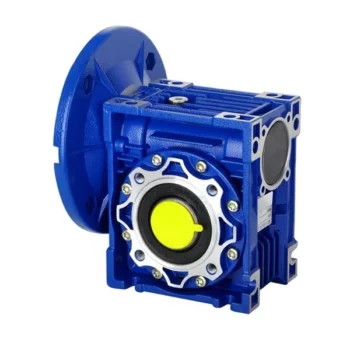
How to Install and Align a Worm Reducer Properly
Proper installation and alignment of a worm reducer are crucial for ensuring optimal performance and longevity. Follow these steps to install and align a worm reducer:
- Preparation: Gather all the necessary tools, equipment, and safety gear before starting the installation process.
- Positioning: Place the worm reducer in the desired location, ensuring that it is securely mounted to a stable surface. Use appropriate fasteners and mounting brackets as needed.
- Shaft Alignment: Check the alignment of the input and output shafts. Use precision measurement tools to ensure that the shafts are parallel and in line with each other.
- Base Plate Alignment: Align the base plate of the reducer with the foundation or mounting surface. Ensure that the base plate is level and properly aligned before securing it in place.
- Bolt Tightening: Gradually and evenly tighten the mounting bolts to the manufacturer’s specifications. This helps ensure proper contact between the reducer and the mounting surface.
- Check for Clearance: Verify that there is enough clearance for any rotating components or parts that may move during operation. Avoid any interference that could cause damage or performance issues.
- Lubrication: Apply the recommended lubricant to the worm reducer according to the manufacturer’s guidelines. Proper lubrication is essential for smooth operation and reducing friction.
- Alignment Testing: After installation, run the worm reducer briefly without a load to check for any unusual noises, vibrations, or misalignment issues.
- Load Testing: Gradually introduce the intended load to the worm reducer and monitor its performance. Ensure that the reducer operates smoothly and efficiently under the load conditions.
It’s important to refer to the manufacturer’s installation guidelines and specifications for your specific worm reducer model. Proper installation and alignment will contribute to the gearbox’s reliability, efficiency, and overall functionality.
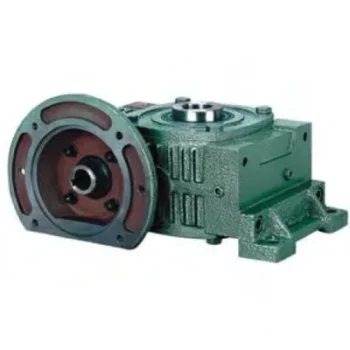
Worm Gearboxes in Conveyor Systems: Benefits and Considerations
Worm gearboxes play a crucial role in conveyor systems, offering several benefits and considerations for their effective integration:
- Space Efficiency: Worm gearboxes have a compact design, making them suitable for applications with limited space, such as conveyor systems.
- High Reduction Ratios: Worm gearboxes can achieve high reduction ratios in a single stage, allowing for slower conveyor speeds without sacrificing torque.
- Self-Locking: Worm gearboxes have inherent self-locking properties, preventing the conveyor from moving when the motor is not actively driving it.
- Directional Control: Worm gearboxes facilitate directional control, enabling the conveyor to move forward or reverse as needed.
- Low Noise: Worm gearboxes often produce lower noise levels compared to other gearbox types, contributing to quieter conveyor operation.
However, there are also considerations to keep in mind when using worm gearboxes in conveyor systems:
- Efficiency: Worm gearboxes may have lower mechanical efficiency compared to some other gearbox types, leading to energy losses.
- Heat Generation: Worm gearboxes can generate more heat due to sliding contact between the worm and gear, necessitating proper cooling mechanisms.
- Lubrication: Proper lubrication is critical to prevent wear and ensure efficient operation. Regular maintenance is required to monitor lubrication levels.
- Load and Speed: Worm gearboxes are well-suited for applications with high torque and low to moderate speed requirements. They may not be optimal for high-speed conveyors.
Before integrating a worm gearbox into a conveyor system, it’s important to carefully consider the specific requirements of the application, including load, speed, space constraints, and efficiency needs. Consulting with gearbox experts and manufacturers can help ensure the right choice for the conveyor’s performance and longevity.
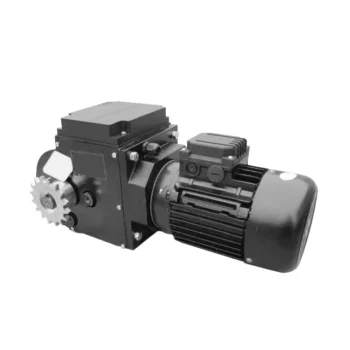
Lubrication Requirements for a Worm Gearbox
Lubrication is crucial for maintaining the performance and longevity of a worm gearbox. Here are the key considerations for lubricating a worm gearbox:
- Type of Lubricant: Use a high-quality, high-viscosity lubricant specifically designed for worm gearboxes. Worm gearboxes require lubricants with additives that provide proper lubrication and prevent wear.
- Lubrication Interval: Follow the manufacturer’s recommendations for lubrication intervals. Regularly check the gearbox’s temperature and oil condition to determine the optimal frequency of lubrication.
- Oil Level: Maintain the proper oil level to ensure effective lubrication. Too little oil can lead to insufficient lubrication, while too much oil can cause overheating and foaming.
- Lubrication Points: Identify all the lubrication points on the gearbox, including the worm and wheel gear surfaces. Apply the lubricant evenly to ensure complete coverage.
- Temperature: Consider the operating temperature of the gearbox. Some lubricants have temperature limits, and extreme temperatures can affect lubricant viscosity and performance.
- Cleanliness: Keep the gearbox and the surrounding area clean to prevent contaminants from entering the lubricant. Use proper filtration and seals to maintain a clean environment.
- Monitoring: Regularly monitor the gearbox’s temperature, noise level, and vibration to detect any signs of inadequate lubrication or other issues.
Proper lubrication will reduce friction, wear, and heat generation, ensuring smooth and efficient operation of the worm gearbox. Always refer to the manufacturer’s guidelines for lubrication specifications and intervals.


editor by CX 2023-11-17