Product Description
Place of Origin:ZHangZhoug, China (Mainland) Brand Name:EED Model Number:NRV30~150
Gearing Arrangement:Worm Output Torque:2.6 ~ 479 N.M Rated Power:0.06 ~ 4KW
Input Speed:1400 rpm Output Speed:14 rpm to 186 rpm Color:Silver or blue
Material of housing:Aluminium alloy Packing:Wooden box/Paper carton
Mount Position:Foot Mounted, Flange Mounted Extra service:OEM is welcome
Quality Control System:ISO9001:2008
Size: NRV30. NRV40. NRV50. NRV63. NRV75. NRV90. NRV110. NRV130. NRV150
NRV gearbox per motovario standare
Structure Features
1. Made of high-quality aluminumalloy, light in Weight and non-rusting
2. Large in output torque
3. Smooth in running and low in noise, can work long time in dreadful conditions
4. High in radiating efficiency
5. Good-looking in appearance, durable in service lifa end small in volume
6. Suitable for ominbearing installation
Main Materials
1. Housing: Die-cast aluminum alloy(size 571-090), cast iron(size 110-150)
2. Worm sahft: 20CRMNTI, carbonize heat treatment make the hardness of gear’s surface up to 56-62 HRC. Retain carburization layer’s thickness between 0.3 and 0.5mm after precise grinding
3. Worm wheel: Wearable stannum bronze alloy
Surface painting
Aluminum alloy housing:
1. Shot blasing and special antiseptice treatment on the aluminum alloy surface
2. After phosphating, pain with bule. Sliver, grey, red or based on customer demands
Markets
Agriculture, Air Movement Products, Chemical, Construction, Crane & Hoist, Crusher, Drill Rig Duty, Elevators / Escalators, Food and Beverage, Forestry, Healthcare, Irrigation Systems, Manufacturing, Marine, Material Handling, Medical Equipment, Metal Processing, Mining, Oil and Gas, Packaging, Paper Processing, Petrochemical, Pharmaceutical, Plastics, Port Machinery, Pulp and Paper, Pump, Rail Duty, Refinery & Petrochemical, Rock Crusher, Solar, Steel, Sugar & Ethanol, Textiles, Wind Energy
Applications
Conveyors, Cranes and Hoists, Elevators, Escalators, Fans, Gates, Irrigators, Machinery, Mixers, Packaging Equipment, Pools, Specialty Trucks and Vehicles, Wind Turbines, X-Ray Equipment, Airports, Boats and Yachts, Energy Installations (Deserts, Wind Farms), Foundries, Off-shore Oil Rigs, Mining Sites, Factories, Supermarkets, Refineries, Ports, Railways, Farms
| Application: | Motor, Machinery, Agricultural Machinery |
|---|---|
| Hardness: | Hardened Tooth Surface |
| Installation: | Horizontal Type |
| Layout: | Coaxial |
| Gear Shape: | Worm |
| Step: | Single-Step |
| Customization: |
Available
| Customized Request |
|---|
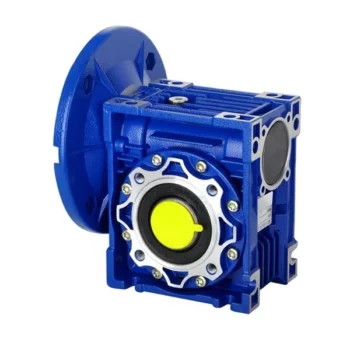
How to Install and Align a Worm Reducer Properly
Proper installation and alignment of a worm reducer are crucial for ensuring optimal performance and longevity. Follow these steps to install and align a worm reducer:
- Preparation: Gather all the necessary tools, equipment, and safety gear before starting the installation process.
- Positioning: Place the worm reducer in the desired location, ensuring that it is securely mounted to a stable surface. Use appropriate fasteners and mounting brackets as needed.
- Shaft Alignment: Check the alignment of the input and output shafts. Use precision measurement tools to ensure that the shafts are parallel and in line with each other.
- Base Plate Alignment: Align the base plate of the reducer with the foundation or mounting surface. Ensure that the base plate is level and properly aligned before securing it in place.
- Bolt Tightening: Gradually and evenly tighten the mounting bolts to the manufacturer’s specifications. This helps ensure proper contact between the reducer and the mounting surface.
- Check for Clearance: Verify that there is enough clearance for any rotating components or parts that may move during operation. Avoid any interference that could cause damage or performance issues.
- Lubrication: Apply the recommended lubricant to the worm reducer according to the manufacturer’s guidelines. Proper lubrication is essential for smooth operation and reducing friction.
- Alignment Testing: After installation, run the worm reducer briefly without a load to check for any unusual noises, vibrations, or misalignment issues.
- Load Testing: Gradually introduce the intended load to the worm reducer and monitor its performance. Ensure that the reducer operates smoothly and efficiently under the load conditions.
It’s important to refer to the manufacturer’s installation guidelines and specifications for your specific worm reducer model. Proper installation and alignment will contribute to the gearbox’s reliability, efficiency, and overall functionality.
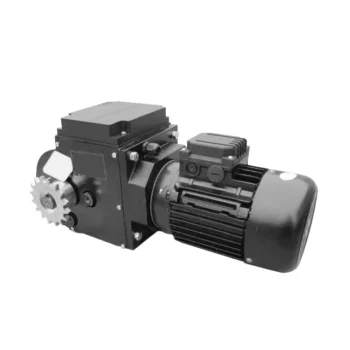
Worm Gearbox Applications in Robotics and Automation
Worm gearboxes play a crucial role in various robotics and automation applications due to their unique characteristics and benefits. Here are some common applications where worm gearboxes are used:
- Robotic Arm Movement: Worm gearboxes are employed in robotic arms to provide precise and controlled movement. The self-locking property of worm gearboxes helps maintain the arm’s position without requiring additional brakes.
- Conveyor Systems: In automated production lines, worm gearboxes are used to drive conveyor belts and move materials or products along assembly lines with accuracy.
- Precision Positioning: Worm gearboxes are used in precision positioning systems, such as those found in pick-and-place robots and CNC machines. They ensure accurate and repeatable movements.
- Pan and Tilt Mechanisms: Worm gearboxes are utilized in pan and tilt mechanisms of surveillance cameras, robotic cameras, and sensors. The self-locking feature helps stabilize and maintain the desired angle.
- Automated Gates and Doors: Worm gearboxes are used in automated gate and door systems to control their opening and closing movements smoothly and safely.
- Material Handling: Robots in warehouses and distribution centers use worm gearboxes to manipulate and lift objects, enhancing efficiency in material handling.
- Medical Robotics: Worm gearboxes are employed in medical robots for surgical procedures, diagnostic equipment, and rehabilitation devices, ensuring precise and controlled movements.
- Industrial Robots: Industrial robots rely on worm gearboxes for various tasks, including welding, painting, assembly, and packaging, where precise movements are essential.
- Automated Testing Equipment: In testing and inspection applications, worm gearboxes provide the necessary movement and positioning for accurate testing and measurements.
- Food and Beverage Industry: Worm gearboxes are used in automated food processing and packaging systems, ensuring hygienic and precise movement of products.
Worm gearboxes are preferred in these applications due to their compact size, high torque output, self-locking feature, and ability to provide a right-angle drive. However, selecting the right gearbox requires considering factors such as load, speed, efficiency, and environmental conditions.
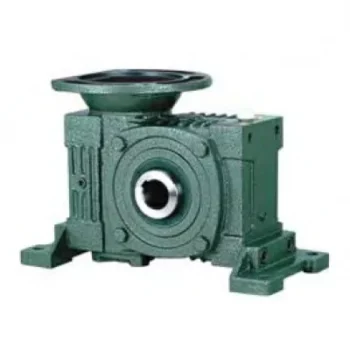
What Industries Commonly Use Worm Reducers?
Worm reducers are versatile mechanical components that find applications in various industries due to their unique advantages and capabilities. Some of the industries that commonly use worm reducers include:
- Material Handling: Worm reducers are widely used in material handling equipment such as conveyors, bucket elevators, and cranes to control movement and manage heavy loads.
- Automotive: They are utilized in automotive manufacturing processes, assembly lines, and vehicle positioning systems.
- Food and Beverage: Worm reducers are used in food processing and packaging machinery where hygiene and cleanliness are crucial.
- Agriculture: Agricultural equipment like irrigation systems and tractors use worm reducers for controlling rotational motion.
- Mining and Construction: Heavy-duty applications in mining equipment, excavators, and construction machinery benefit from the torque multiplication provided by worm reducers.
- Energy: Wind turbines and solar tracking systems use worm reducers to convert low-speed, high-torque motion into rotational energy.
- Textile: Textile machinery employs worm reducers for controlling speed and tension in weaving and spinning operations.
- Packaging: Packaging equipment relies on worm reducers for precise movement and positioning of packaging materials.
- Medical: Medical devices and equipment often utilize worm reducers for their accuracy and controlled motion.
- Printing: Printing machines use worm reducers to regulate paper feed and ensure consistent printing quality.
Worm reducers’ ability to provide high torque output, compact design, and self-locking characteristics makes them suitable for applications requiring reliable and controlled motion across various industries.


editor by CX 2023-10-19